

Wildlife gardening Nottingham
Gardens that make room for life
A well-tended garden can be an extraordinary sanctuary for wildlife without sacrificing elegance, order, or usability.
Habitat built into everyday care
Inviting wildlife into your garden does not mean letting it turn into an unmanaged jungle. True habitat creation is about thoughtful choices woven into regular gardening routines.
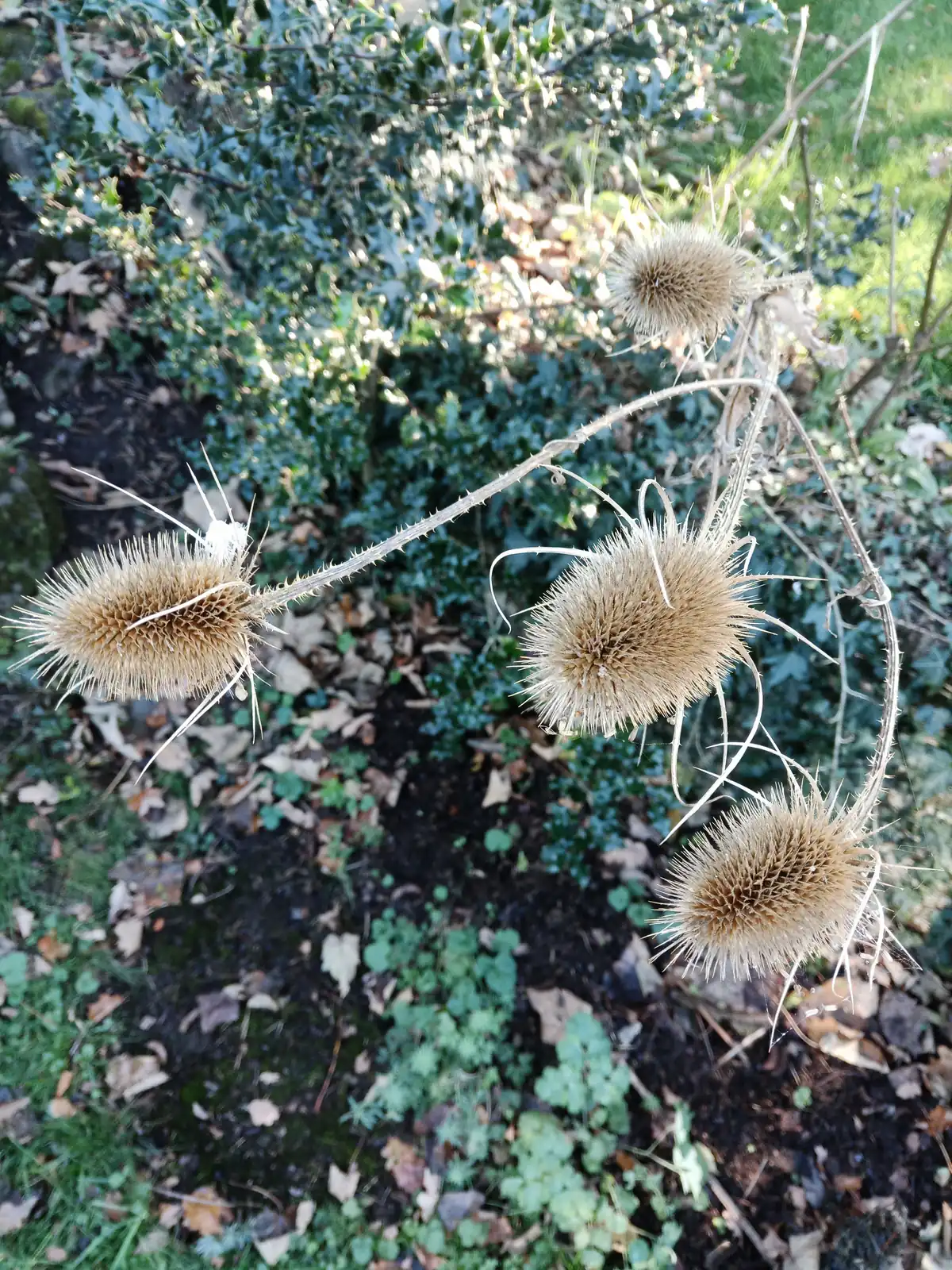
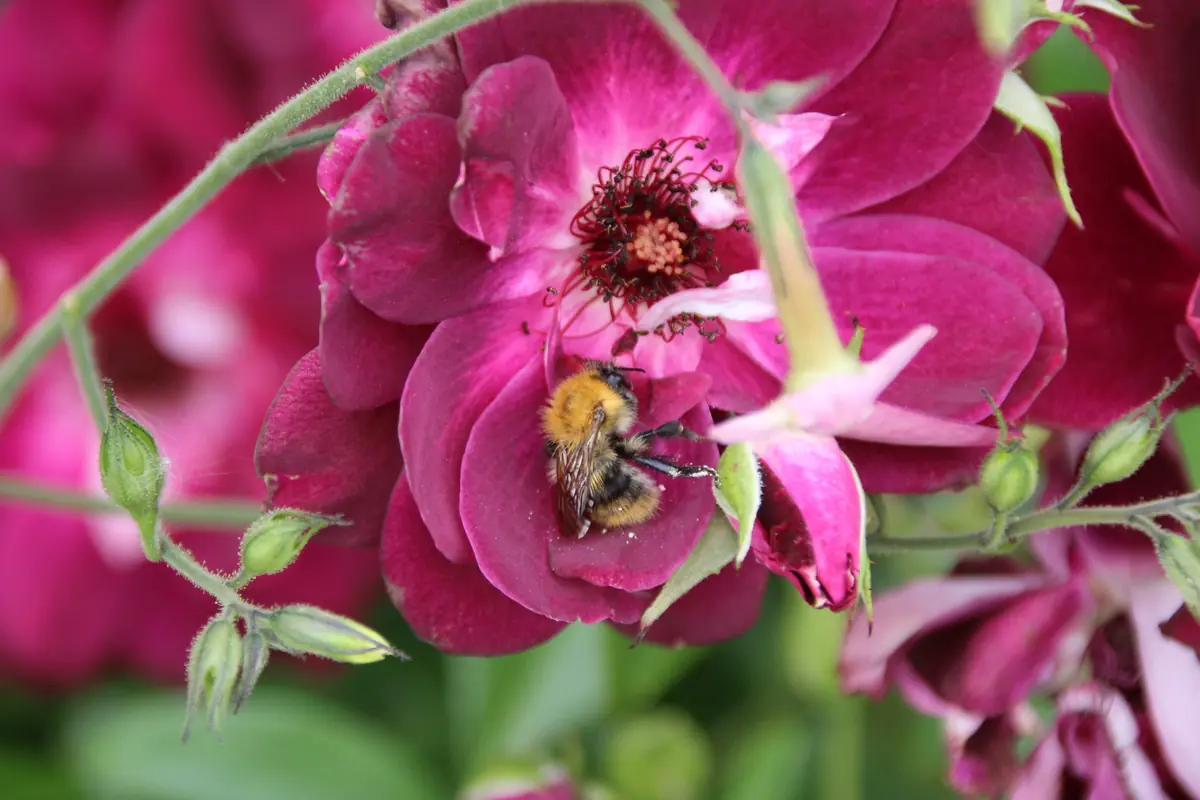
A dense mixed boundary hedge provides nesting corridors; seed heads left standing on Echinacea or Phlomis become a winter pantry for goldfinches; decaying organic mulch builds beetle banks and feeds earthworms beneath your roses.
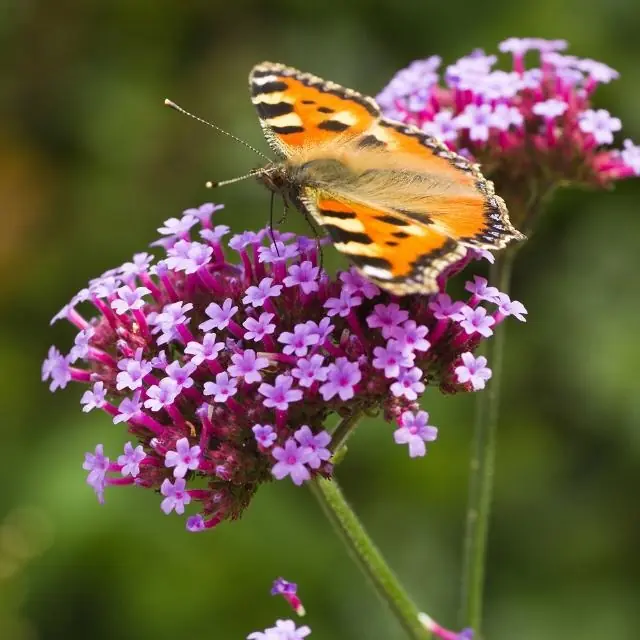
We practice horticulture that quietly supports these natural cycles, keeping your garden looking deliberate and beautiful while offering shelter, pollen and food to the wider living world.
Small decisions, significant impact
Plants that work as hard as they look
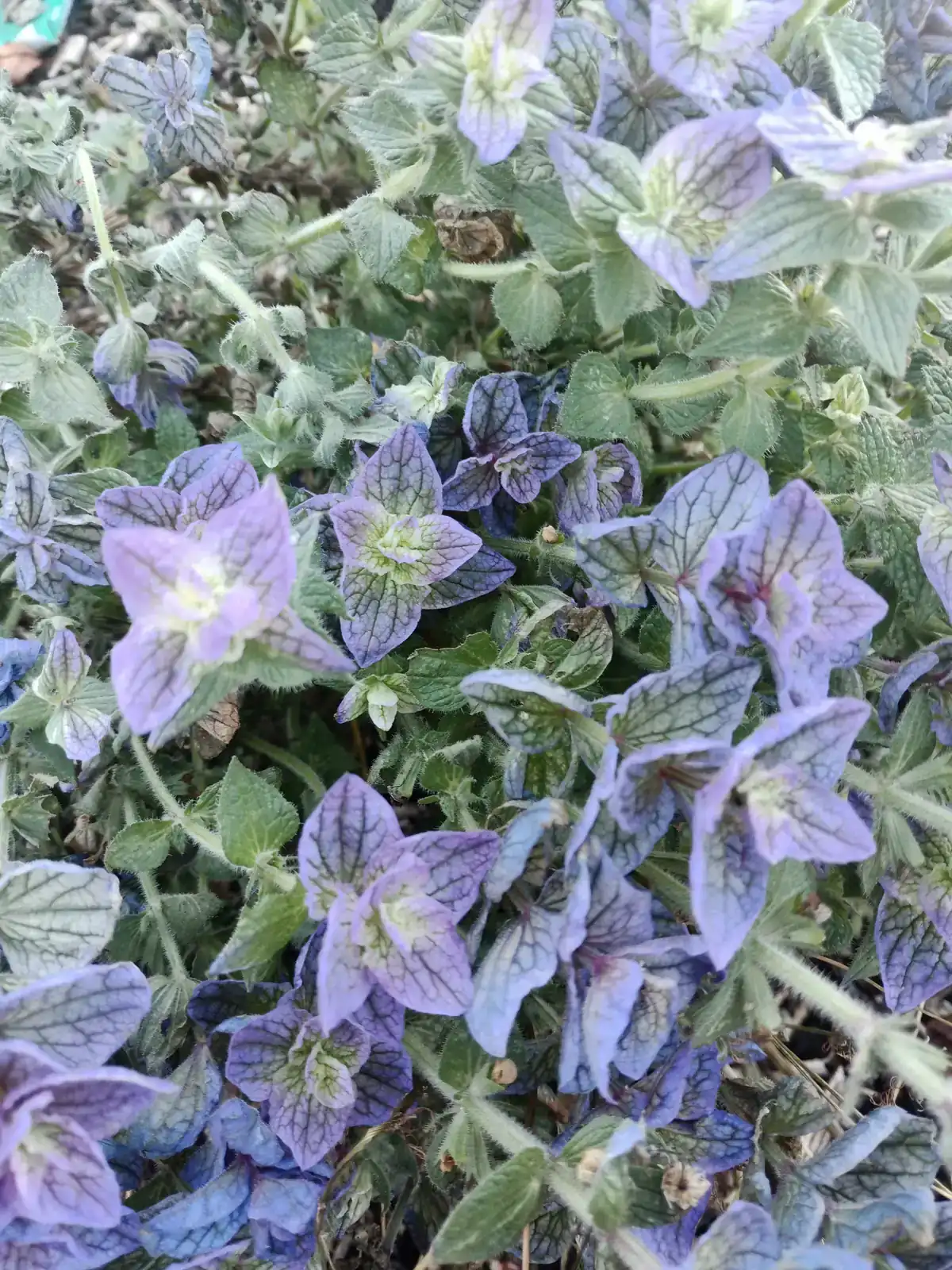
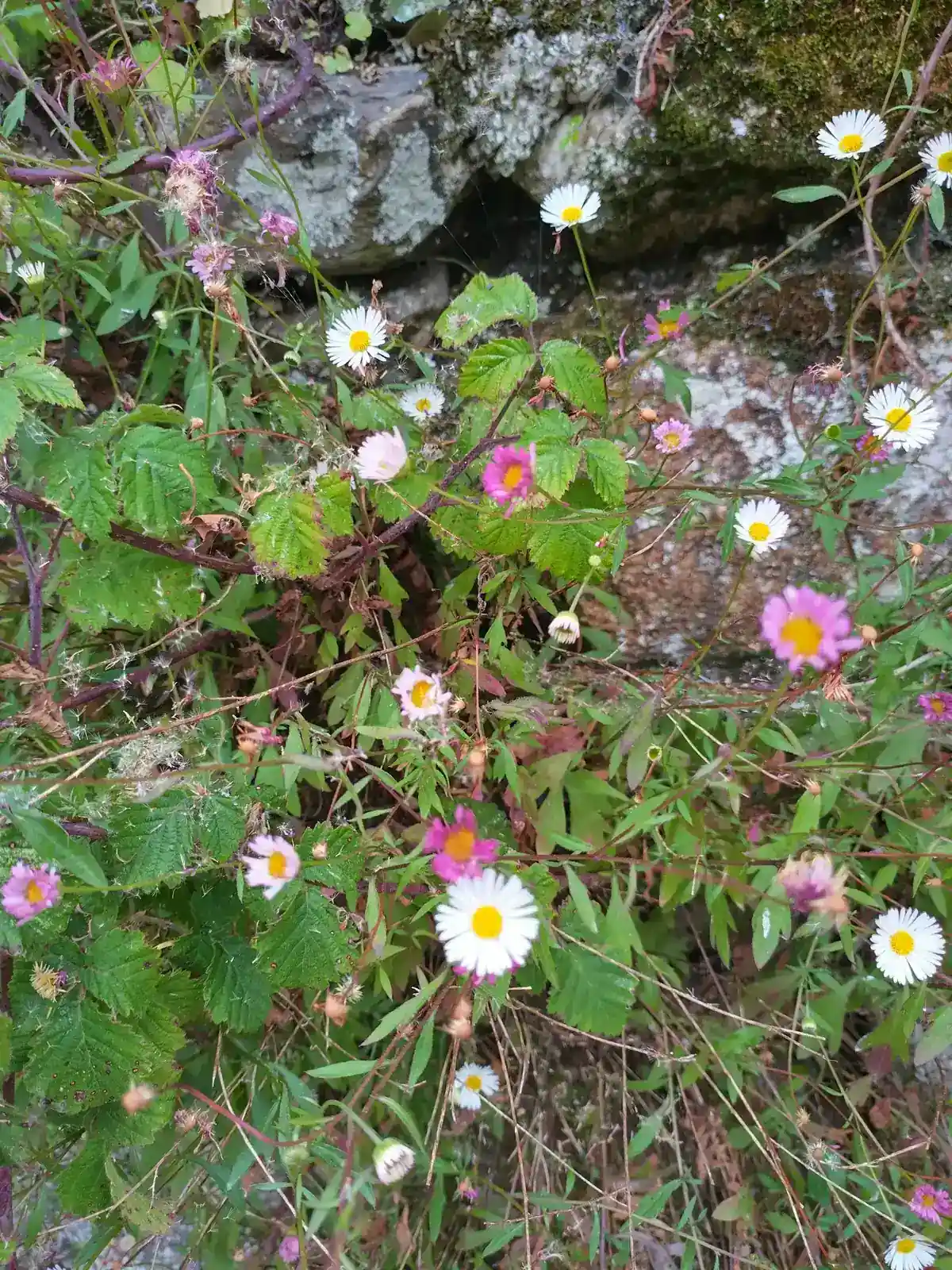
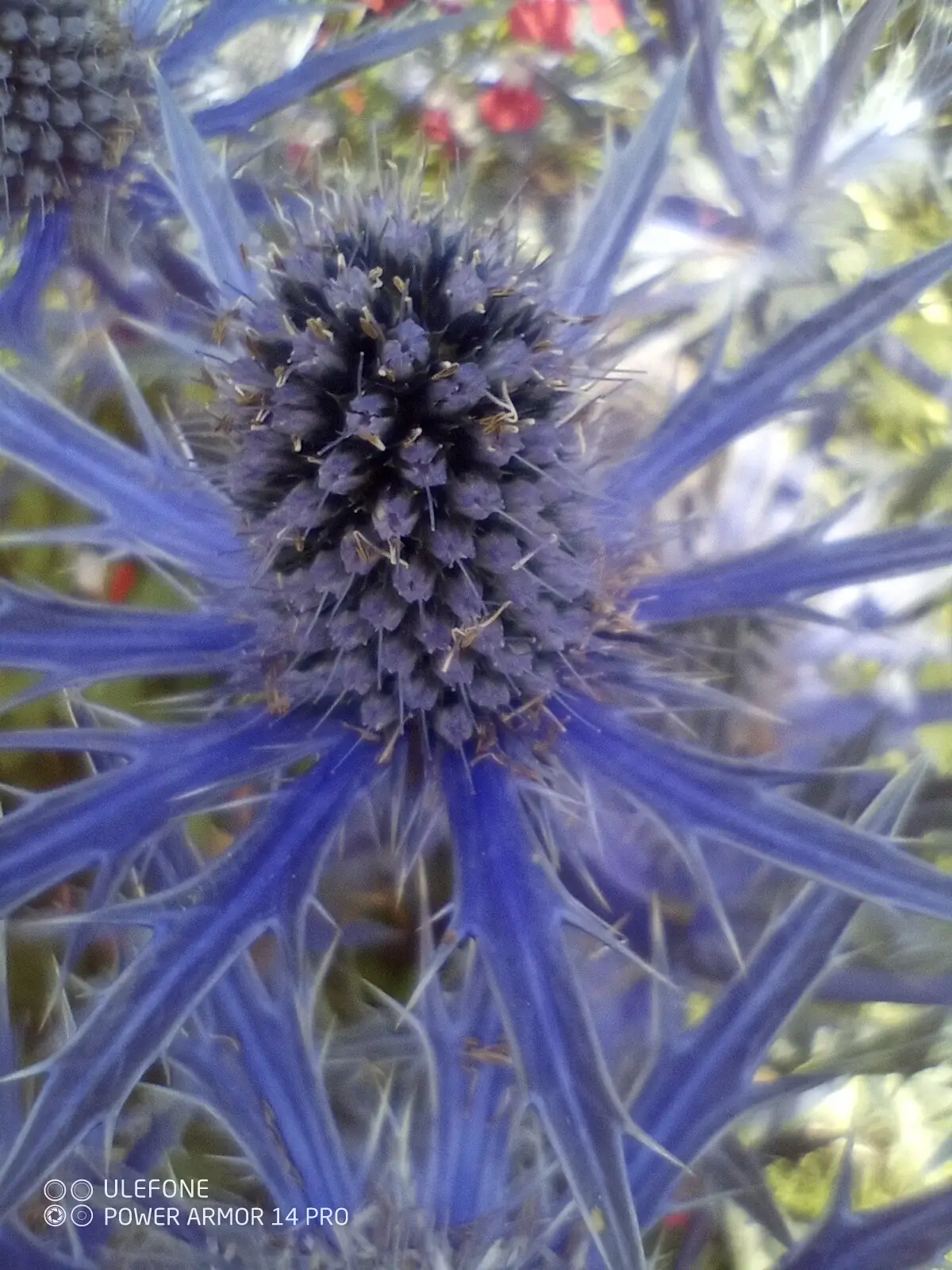
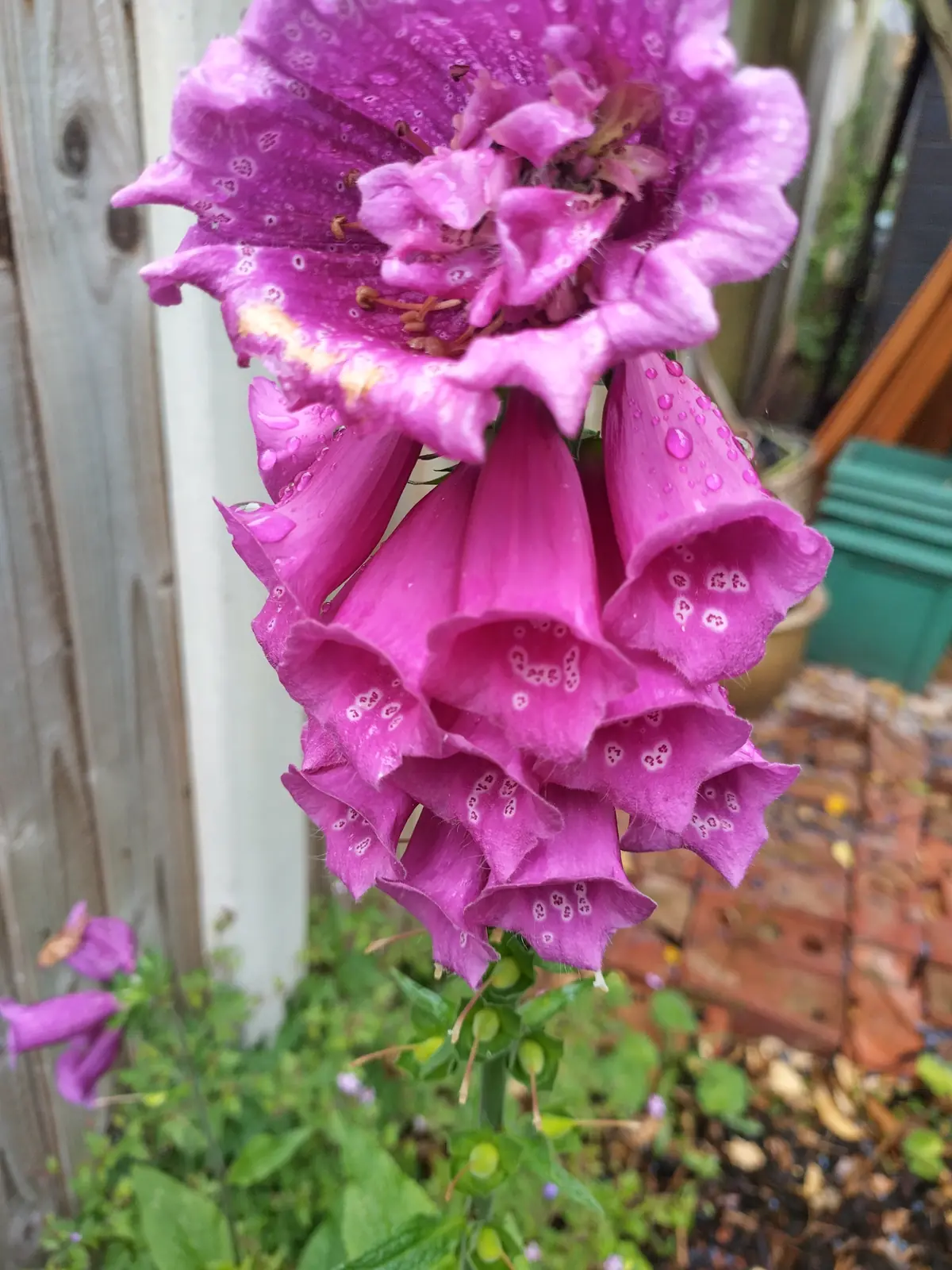
Architectural plants such as sea holly, teasel and foxglove earn their place twice: once in the picture, and again as forage, seed and structure. We choose varieties that hold the border together and feed the garden’s other residents.
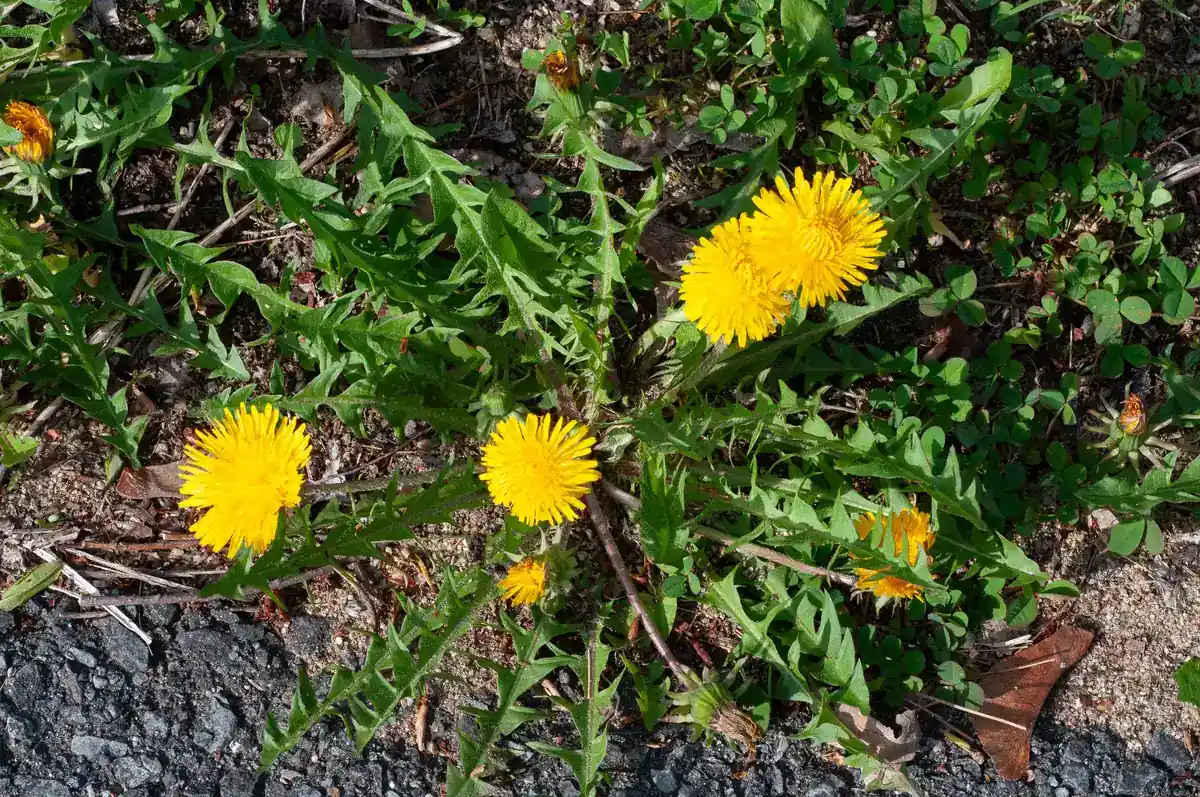
A dandelion at the kerb, a rose left a little longer, a hedge not cut to a hard line every month — none of these is a lowering of standards. They are how a beautiful garden also becomes a useful one.
Bring your garden to life
Let’s look at how small horticultural adjustments can make your garden more rewarding for you and the wildlife that shares it.